
Photo details
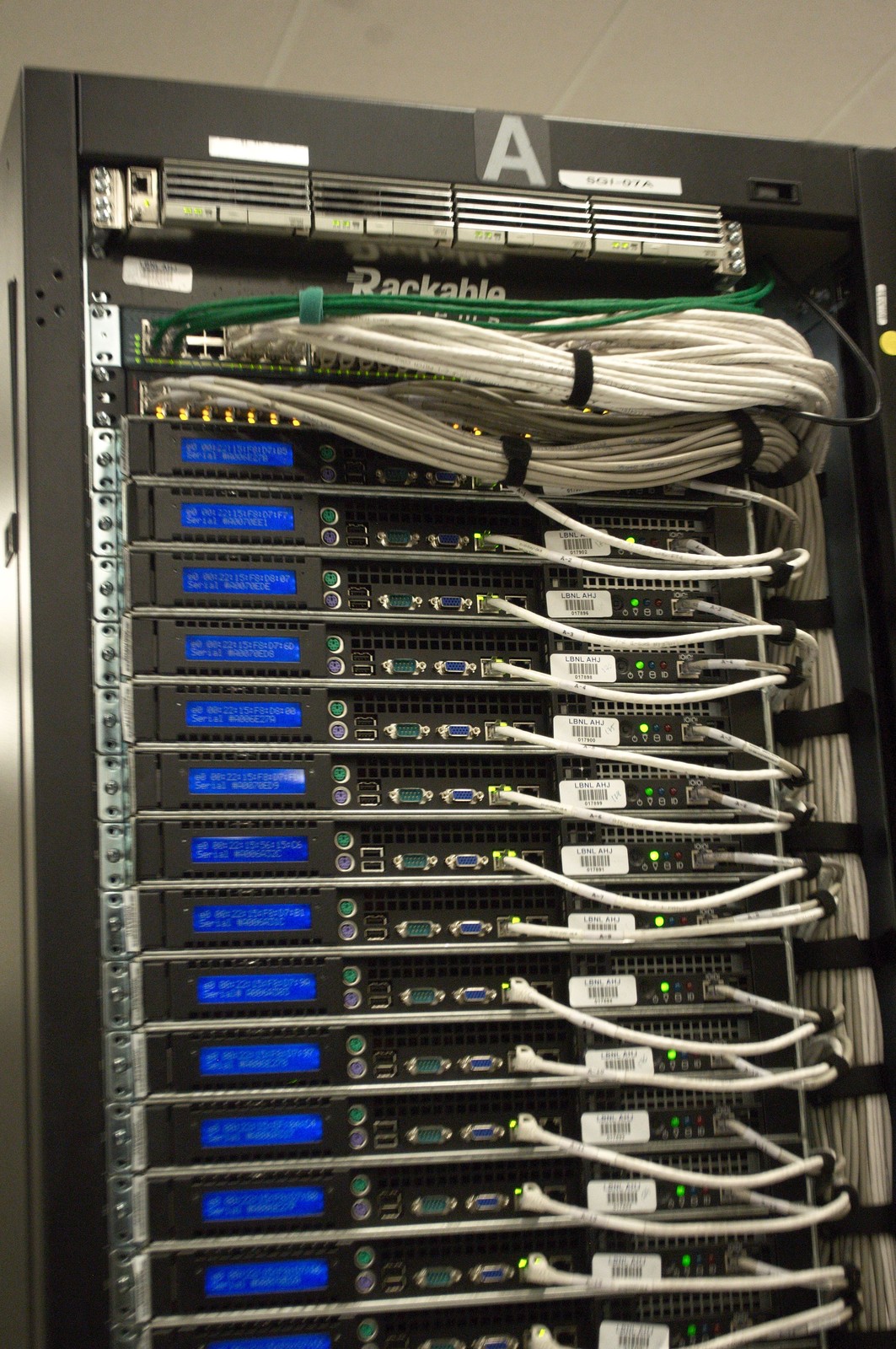
Contextual file photo of computing equipment at the NERSC data center, taken October 14, 2011. It does not depict the AWS announcement or an identified AWS facility. Source: the linked source record. Creator: Derrick Coetzee. The item is dedicated to the public domain under CC0 1.0: CC0.AWS announced on November 19 that SageMaker AI now monitors generative AI inference endpoints by default for response time and GPU use, subject to eligibility requirements. The company says it flags slow responses, unused GPU capacity and configuration gaps such as older serving containers and missing GPU kernel tuning, without reading customer requests or responses.
When a change persists across the past week or a configuration gap is found, AWS says it sends one AWS Health notification per endpoint in the AWS Management Console. Each notification links to the SageMaker AI Agentic Experience in SageMaker Studio with the endpoint and recent traffic filled in. Customers can then run Generative AI Inference Recommendations to compare configurations by response time, traffic handled and cost per million tokens.
AWS says the tests leave the production endpoint untouched until a customer applies a result. Monitoring can be turned off and has no additional charge; standard compute costs apply to recommendation jobs.
AWS’s announcement does not specify all endpoint eligibility requirements or the prerequisites for acting on a finding; customers should check the SageMaker AI documentation before proceeding.
Sources
AI-assisted reporting based on the linked public primary documents. Company statements retain attribution; announced plans and research objectives are not completed results.
- S1: aws.amazon.com — accessed 2026-11-22
AI assisted and automatically published after source checks and separate automated editorial reviews. Company statements are attributed claims; the original sources and reporting limits are linked above.